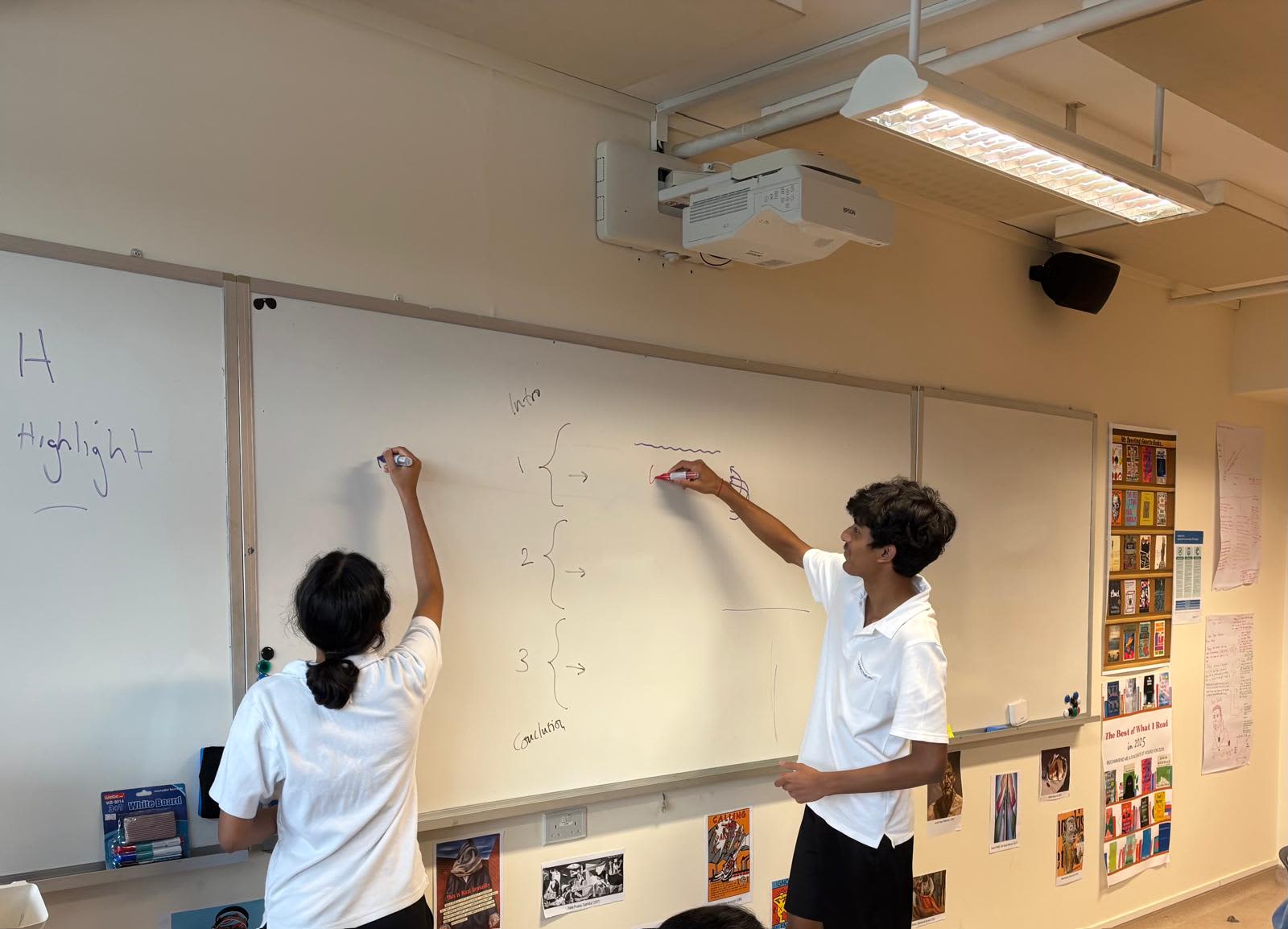
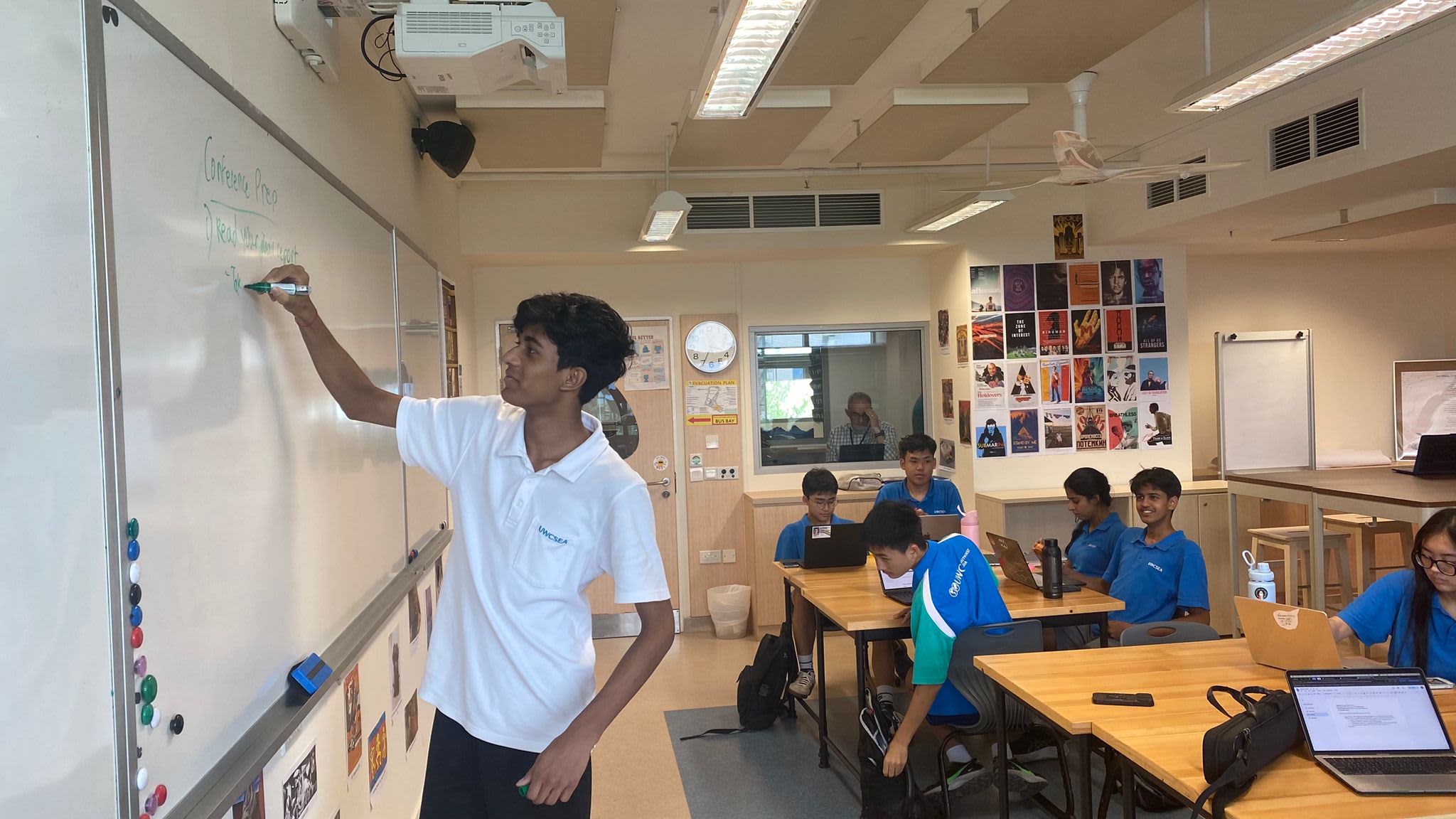
This session we held the mock conference, emulating the committee - ODC. I chaired the delegates as they went through their opening speeches, made their resolutions, and started debate
Today, we prepared for a mock conference that we are hosting next week. We allocated our delegates to be in UNODC and started working on each of their country's stances and speeches.
In this session, we played a mildly challenging activity where we trainers in one document put a bunch of different clauses from different resolutions and random topics into one common document. Then all delegates would have 1 minute to read a single clause, and then we would randomly pick one of them to give a For speech on it. This activity was to challenge them in their ability to handle pressure and also make clear arguments for a specific topic, even when they don't even know the topic, and this was really good practice. Aside from this, the other DOVERMUN delegates just focused on conference preparation.
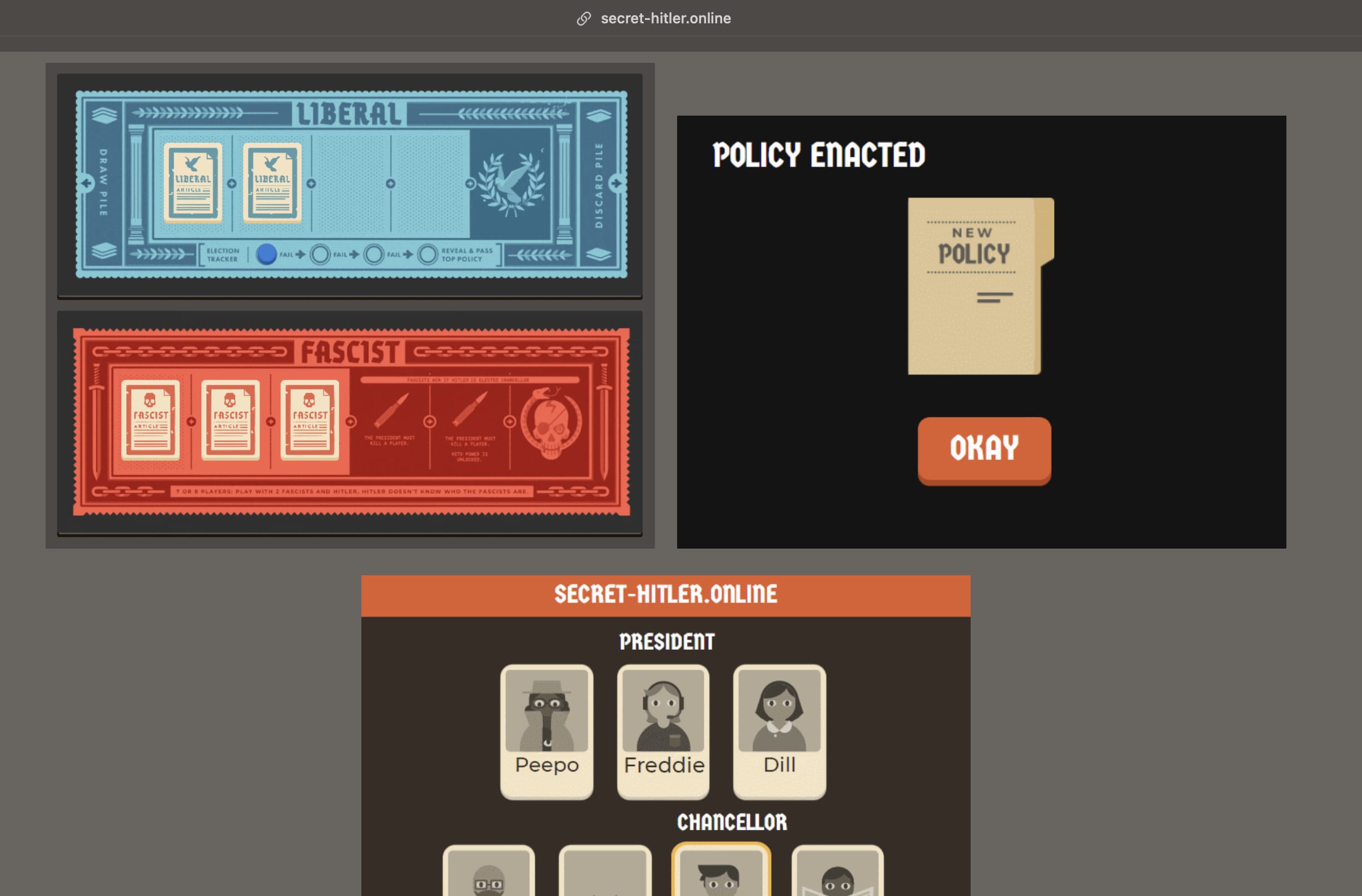
Today we played Secret Hitler. It's a game rooted in politics and really useful to help our delegates get better at discourse when they have to defend themselves and deny that they are a fascist. You can either be a liberal or a fascist, and your decisions have consequences on whether your side wins.
Today's session was very focused on preparing the delegates for the upcoming DOVERMUN conference. I helped give feedback on all those delegates writing their clauses and preparing opening speeches.
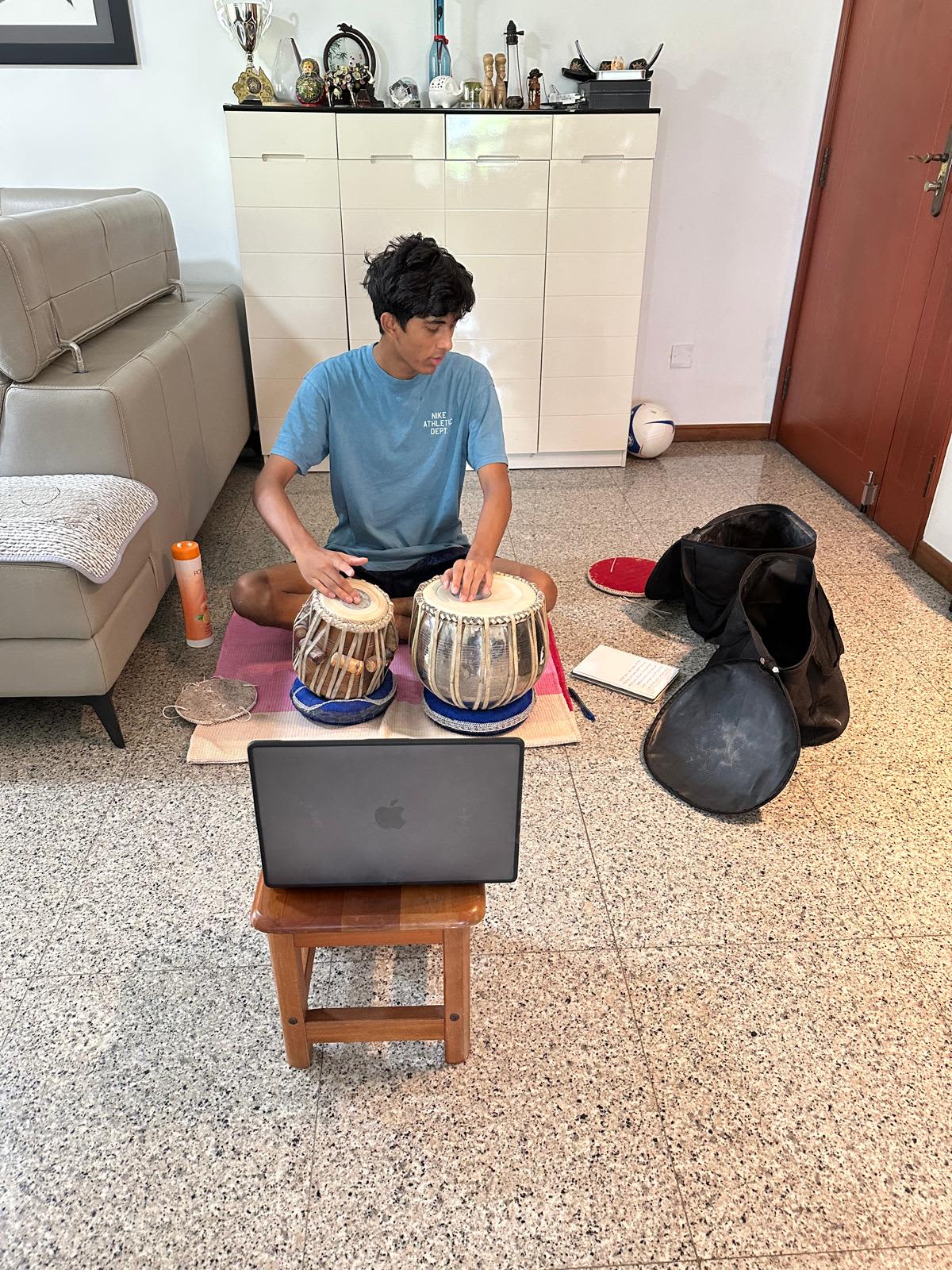
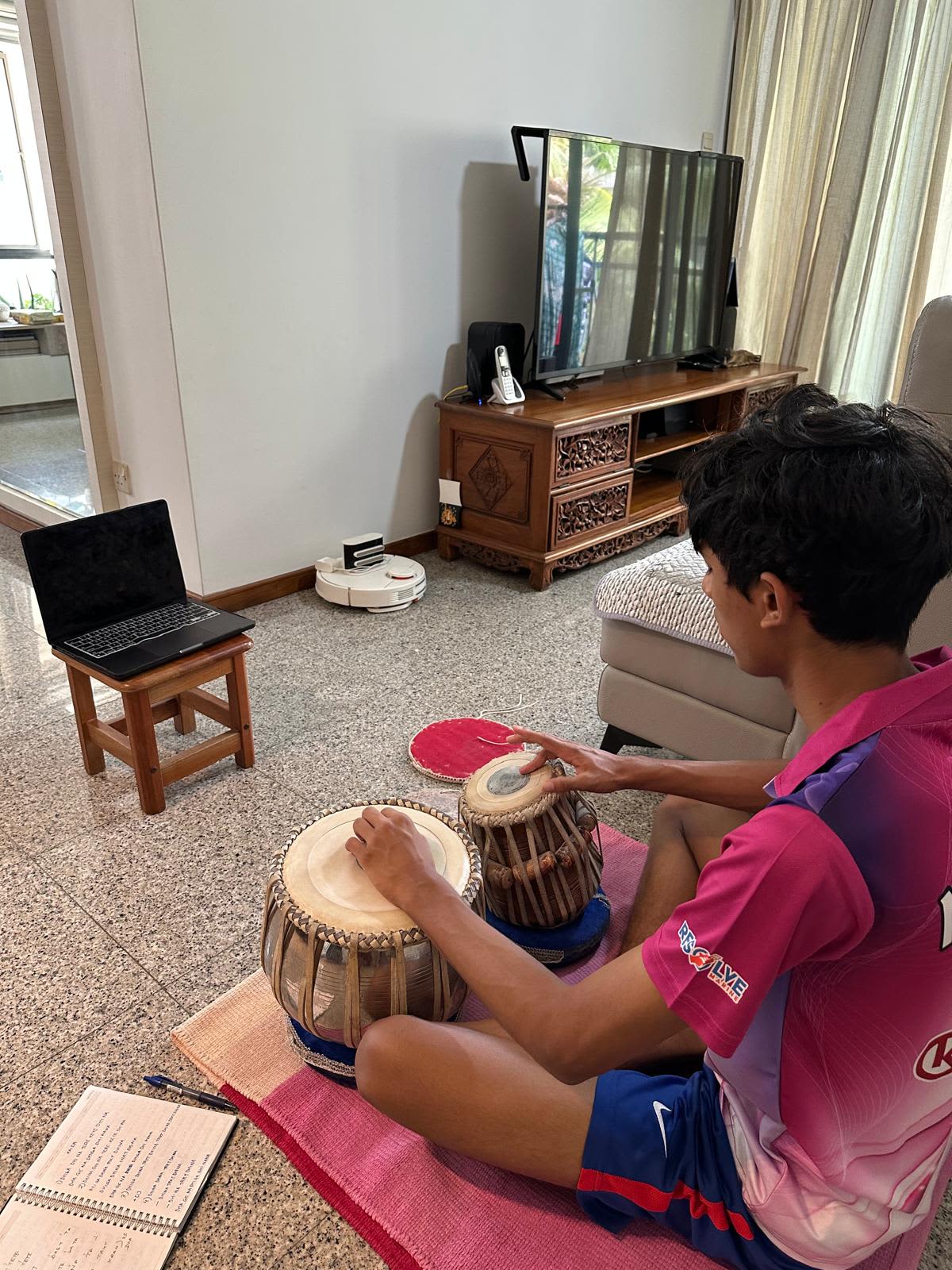
Today I continued working on the adachou taal chakradaar and consolidated several of the pieces I've learnt over the past few months. My teacher had me play through the teental kaida, ek taal tukhra, and adachou chakradaar back to back to assess my overall progress, and gave me feedback on areas to keep refining.
This session was more relaxed as our internals had just completed, and so it mainly covered going over feedback. Near the end, we also taught out delegates what a conference is like for a Chair, especially how to say specific phrases in committee
This session I started learning an adachou taal chakradaar. Adachou taal has 14 beats and a complex internal division, so my teacher first walked me through the taal structure before introducing the chakradaar composition. We mainly focused on getting the beat count right and I'll be continuing to refine it next lesson.
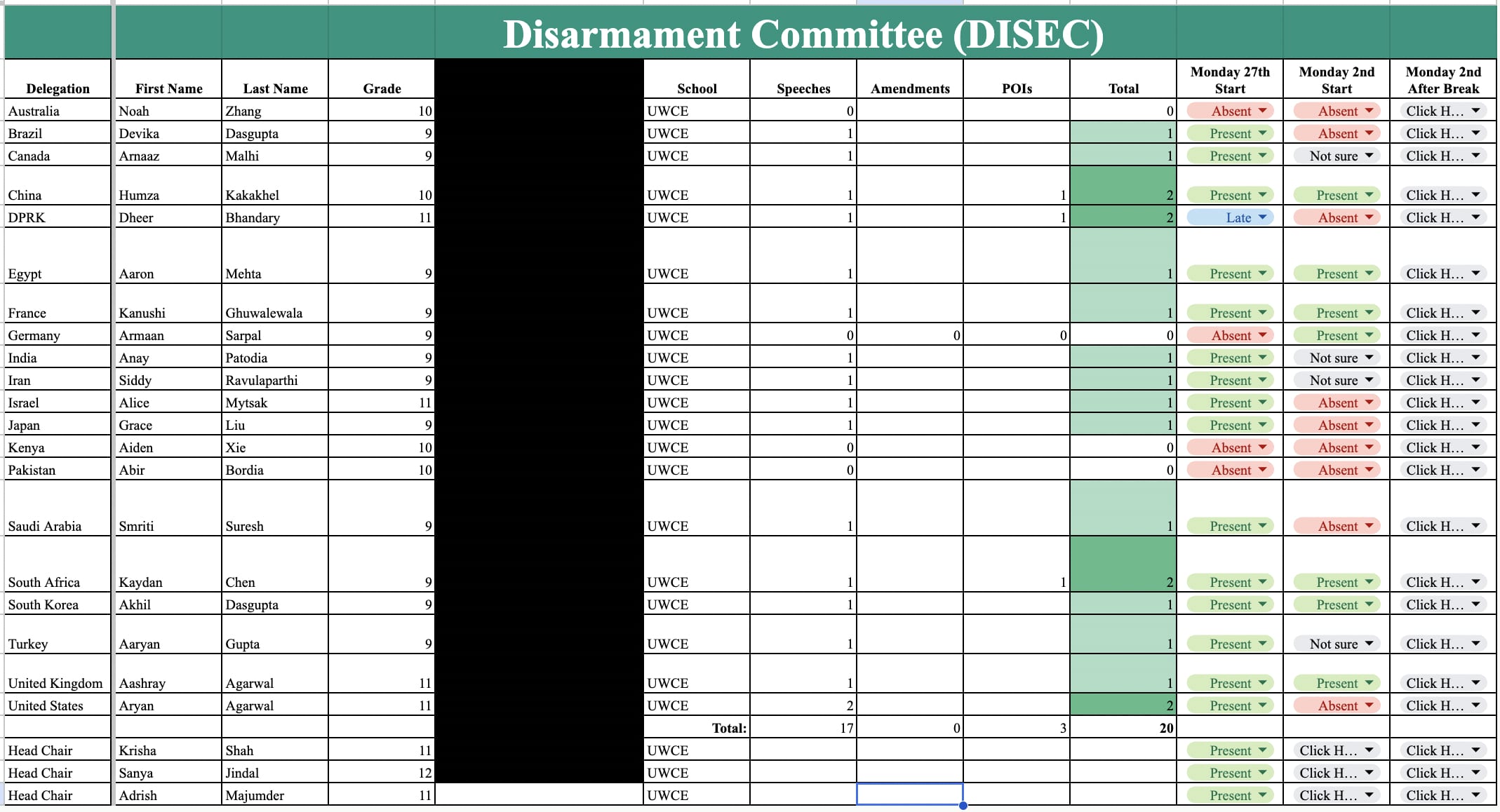
This session was part 1 of our EASTMUN Internals, where all our delegates debated within our school. I was Chair of the committee DISEC.
This session I trained the advanced group as many members had executive meetings. It predominantly involved giving advice and helping work through all of their mock conference preparations
Today, we played (for the entirety of the session) a game called SWITCH, where a delegate will be given an everyday topic of contention, and they will have to make an impromptu speech on it, with them having to pick a side in the argument. Sometime in the middle, we trainers would yell "SWITCH" and something like "You are now a principal". This means that the delegate had to change their respective speeches to that of a principal mid-way through their speech. Ultimately, the activity is extremely applicable to MUN as it tends to the skill of being able to put yourself and debate in a differing perspective, as well as forcing you to be extemporaneous.
Today was quite a busy day. We wanted to address some of the common pitfalls and problems that our trainees had in the conference. Thus, we started with an amendment on an example clause that we made and had our delegate make a speech while practising Points of Information (questions and responses) with the rest of the delegates. For a large remainder of the session we tried to answer some general MUN questions that delegates ask that normally stump the speaker on the stand. Some examples were how to answer funding, legally binding, and sovereignty related questions.
Today, we trainers went over the feedback other chairs gave on our trainees who had delegated over the weekend in the MUN@UWCSEA conference and provided advice on how they can work on their MUN skills. We also talked a lot about how our views on MUN as a whole had dramatically shifted after the beginner delegates experienced the conference for their first time.
Next week is the final conference. Today's session was focused on calming the nerves and finalising all the preparation that we have done over the last couple of weeks. We went over how it is going to be on the main day and worked on refining our clauses and speeches that we pre-empted.
Today was the second last day of conference prep. After working with my training group on clauses, I started preparing for the conference myself which entailed understanding my committee and carrying out some research.
Today I learnt a Rupak taal kaida. Rupak taal has 7 beats with a distinctive division of 3+2+2, and one of the most interesting things my teacher pointed out is that it starts on the khali rather than the sam. We worked through the bols slowly at first, focusing on internalising the asymmetric feel of the taal before building up speed.
This session I was introduced to keharwa and the keharwa laggi. Keharwa is an 8-beat taal commonly used in folk and light classical music, and the laggi is a fast, repetitive pattern played to accompany singers or dancers. It was a nice shift in feel compared to the heavier classical taals I had been working on.
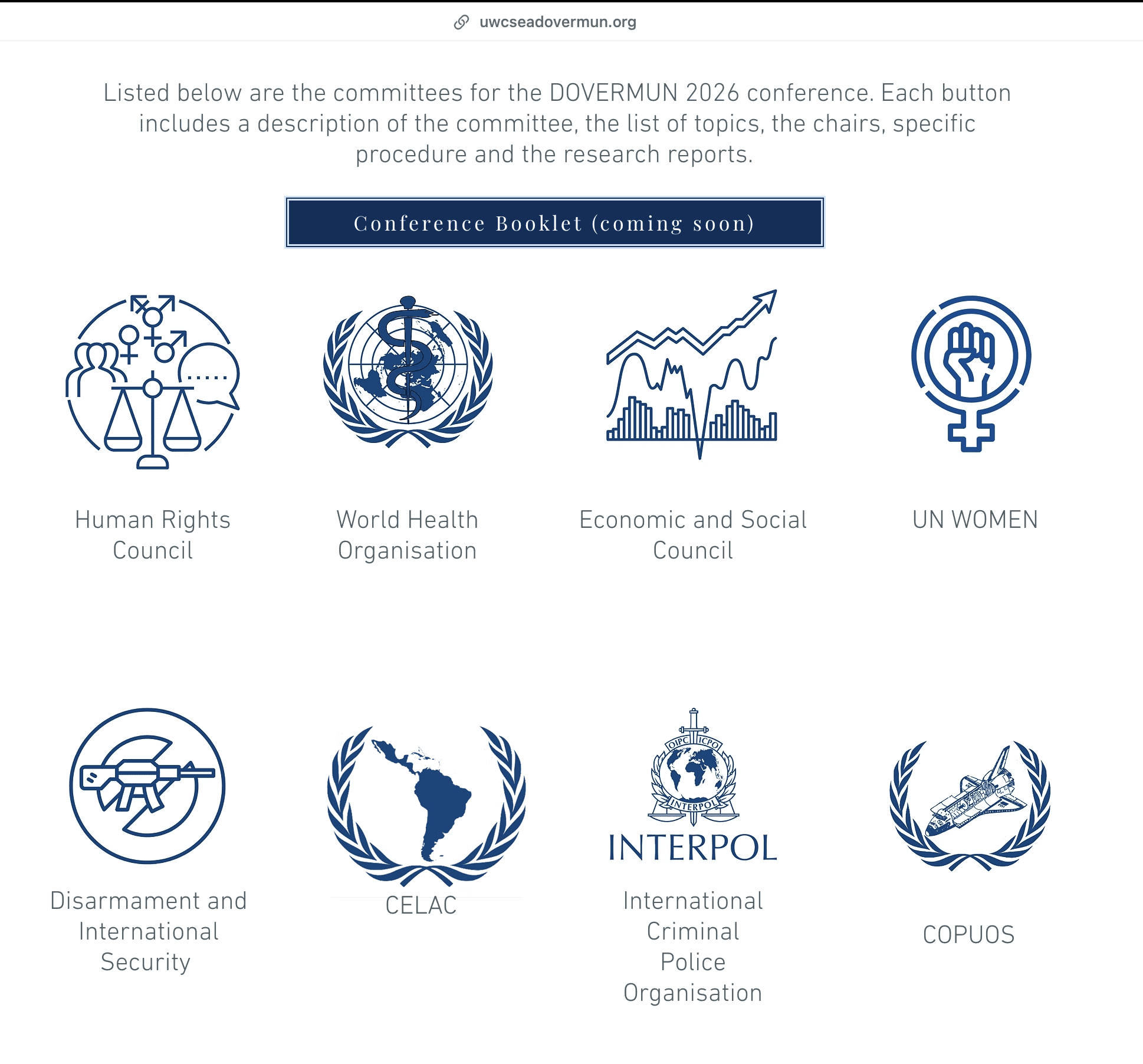
Today's MUN session was predominantly focused on preparing for the upcoming UWCMUN conference in December. We initially revisited how the day of the conference will work and what the schedule would be like for all the delegates. Afterwards, we started our conference preparation which would continue till the end of the session. This involved helping the delegates with their research for their stance and committee and making clauses for their resolution.
Today I learnt an ek taal chakradaar. A chakradaar is a tihai that is itself played three times, so getting the maths right was the main challenge. My teacher had me count it out loud while playing until the structure became intuitive rather than calculated.
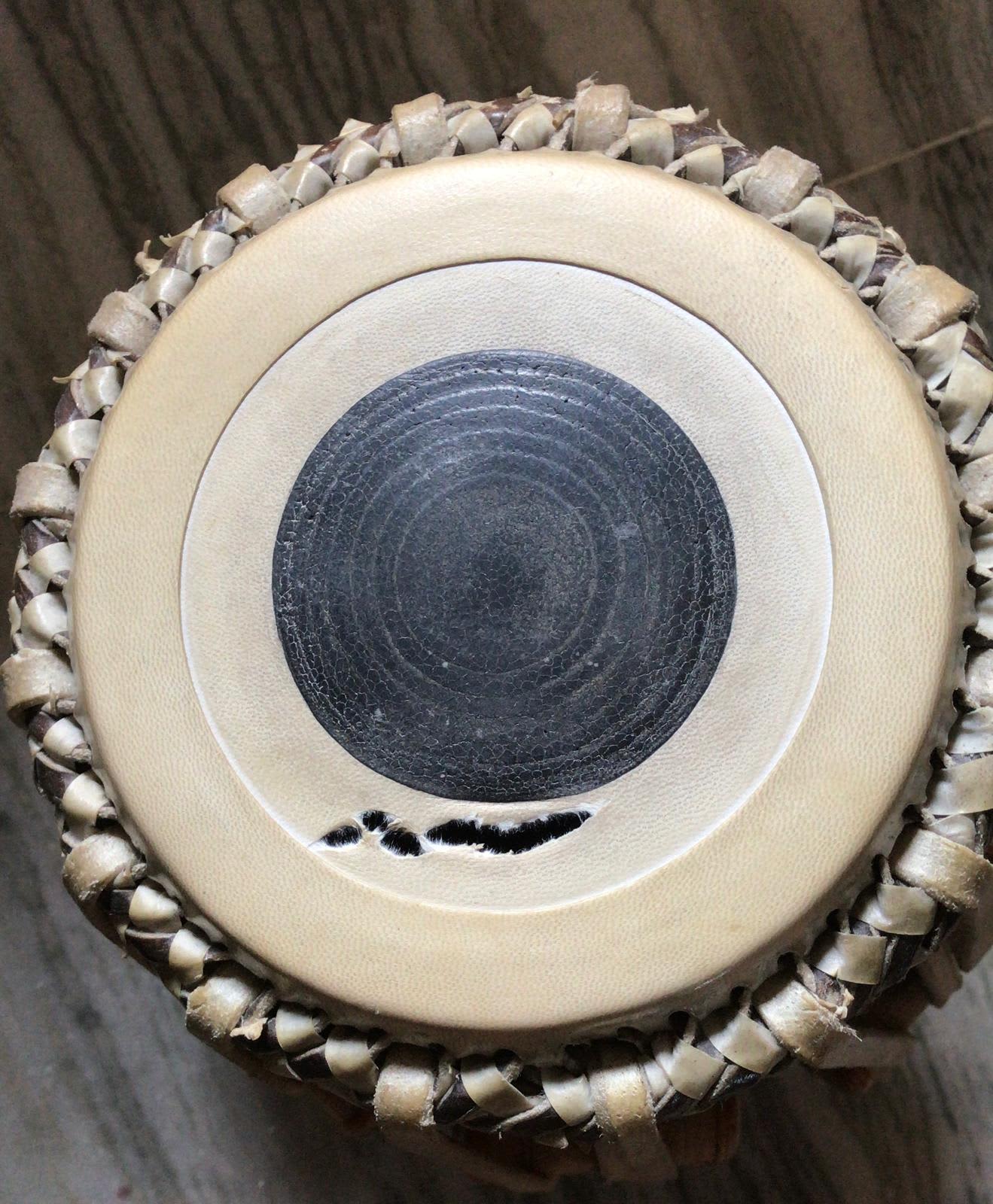
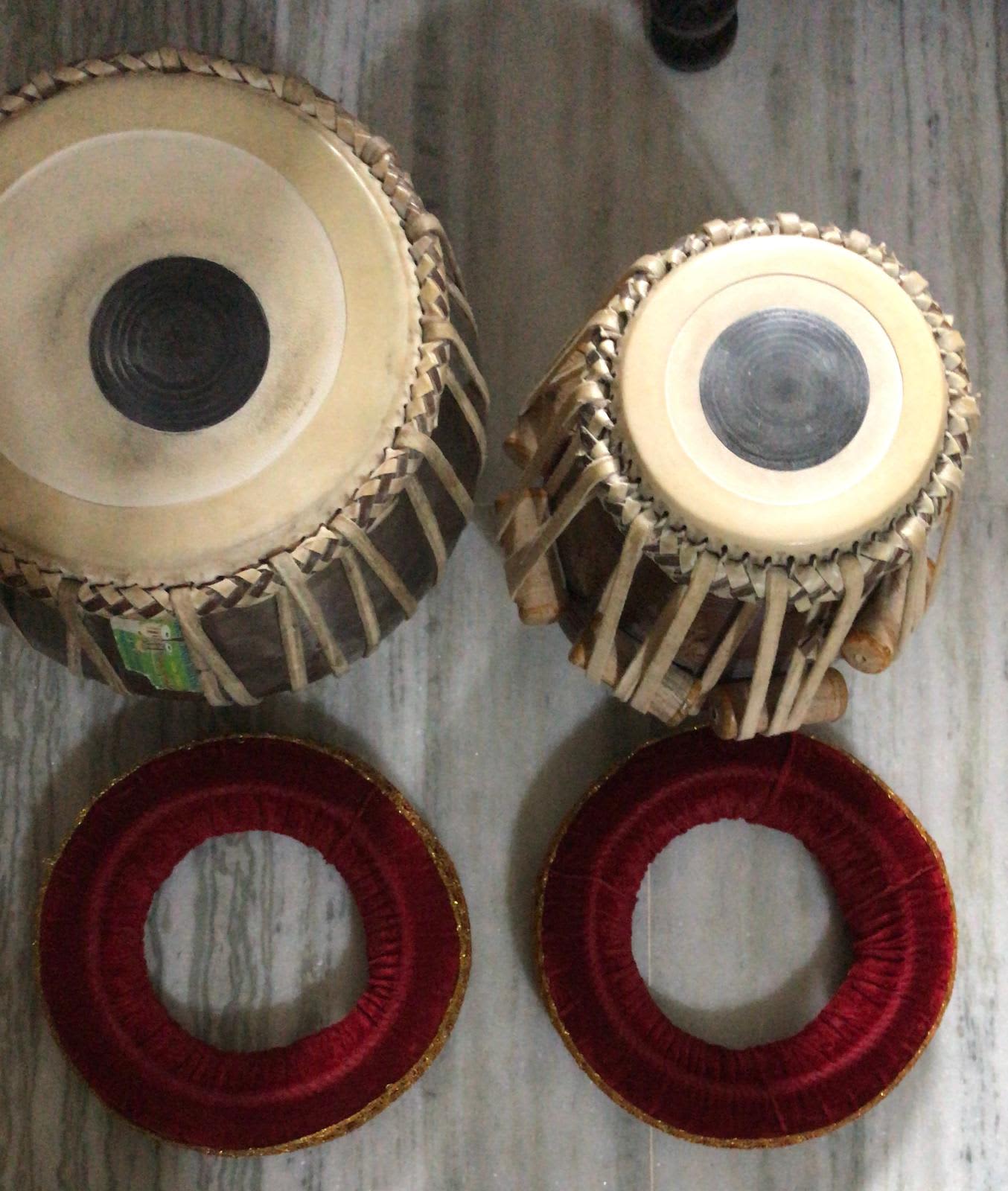
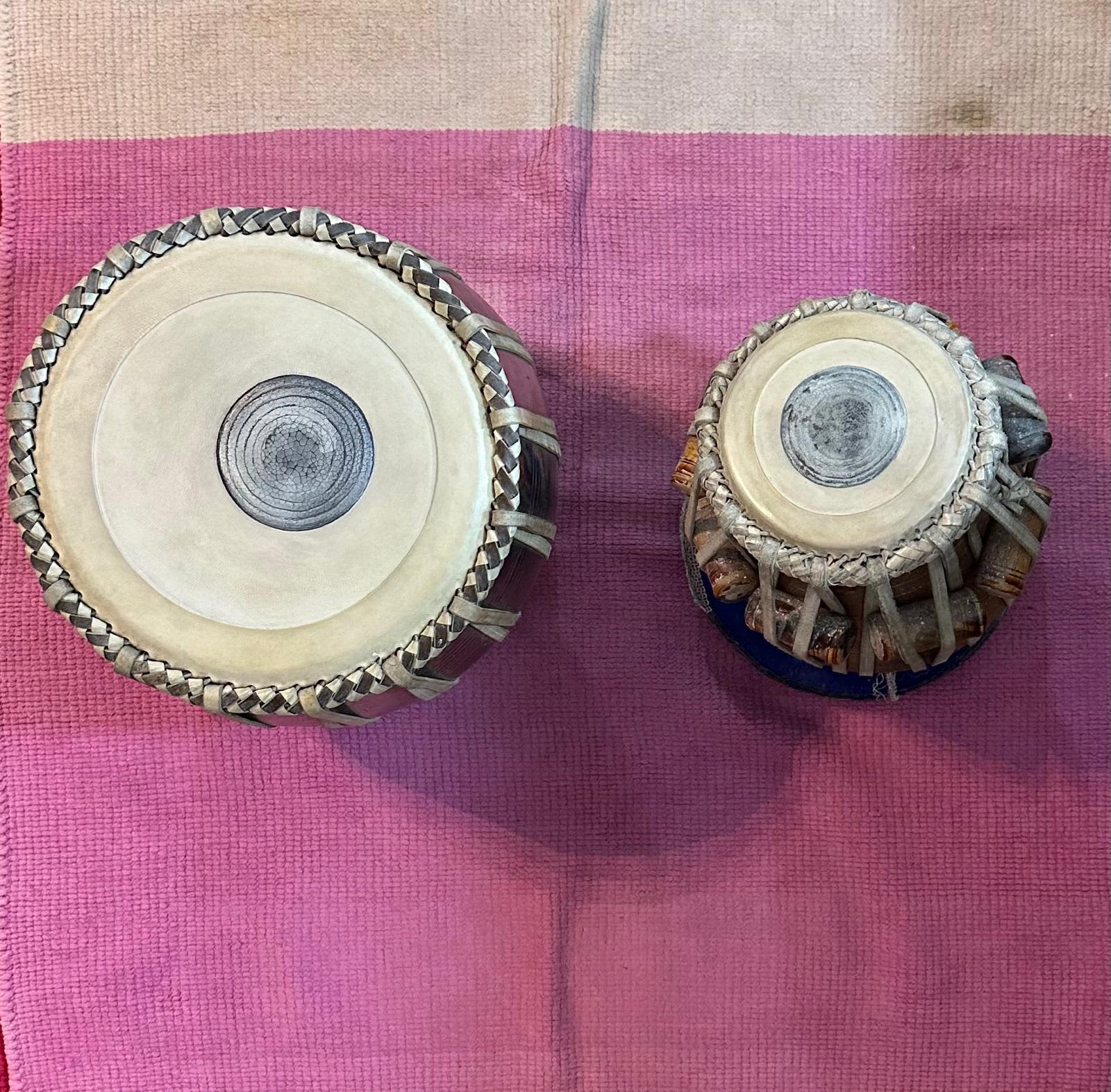
This session I learnt an ek taal tukhra. After getting comfortable with the kaida last lesson, my teacher introduced this composed piece and we broke it down phrase by phrase. The tukhra ends with a tihai, so we also spent time making sure the resolution landed exactly on sam. Also, one of my tablas broke :(
Today I was introduced to ek taal. This session focused specifically on an ek taal kaida. The ek taal has 12 beats divided into 6 vibhags, which felt quite different from teental at first. I spent most of the lesson getting used to the new rhythmic cycle and laying down the basic kaida cleanly.
In this MUN training session, we focused on analysing operative clauses and next learnt how delegates should look for flaws and drawbacks in a clause. Throughout the remainder of the session, we ran through how to craft our analyses into effective questions called POIs (Point of Information) and practised on our own clauses that we made in the preceding training session.
This session we focused on the theory and history of the tabla. My teacher walked me through the origins of the instrument, the two main gharanas (Delhi and Ajrada), and how the tabla came to be used in both classical and folk music traditions. It was a really interesting change of pace from the usual playing practice.
Today I learnt the teental tukhra. My teacher explained how a tukhra differs from a kaida. It's a fixed, composed piece rather than a theme with variations. We spent the session memorising and drilling the bols until I could recite and play them from memory.
This session I continued working on the teental kaida. I practised the palta variations and worked on improving my speed while keeping the bols accurate. By the end of the lesson I could play the full kaida at a steady tempo without stopping.
Today I started learning the teental kaida. My teacher introduced me to the basic structure of teental - 16 beats divided into 4 vibhags - and we went through the kaida slowly, focusing on clean hand placement and the distinction between the bayan and dayan strokes.